Cost of a Bad Open Enrollment Decision Over a Plan Year
Poor plan picks quietly cost employees and employers thousands.
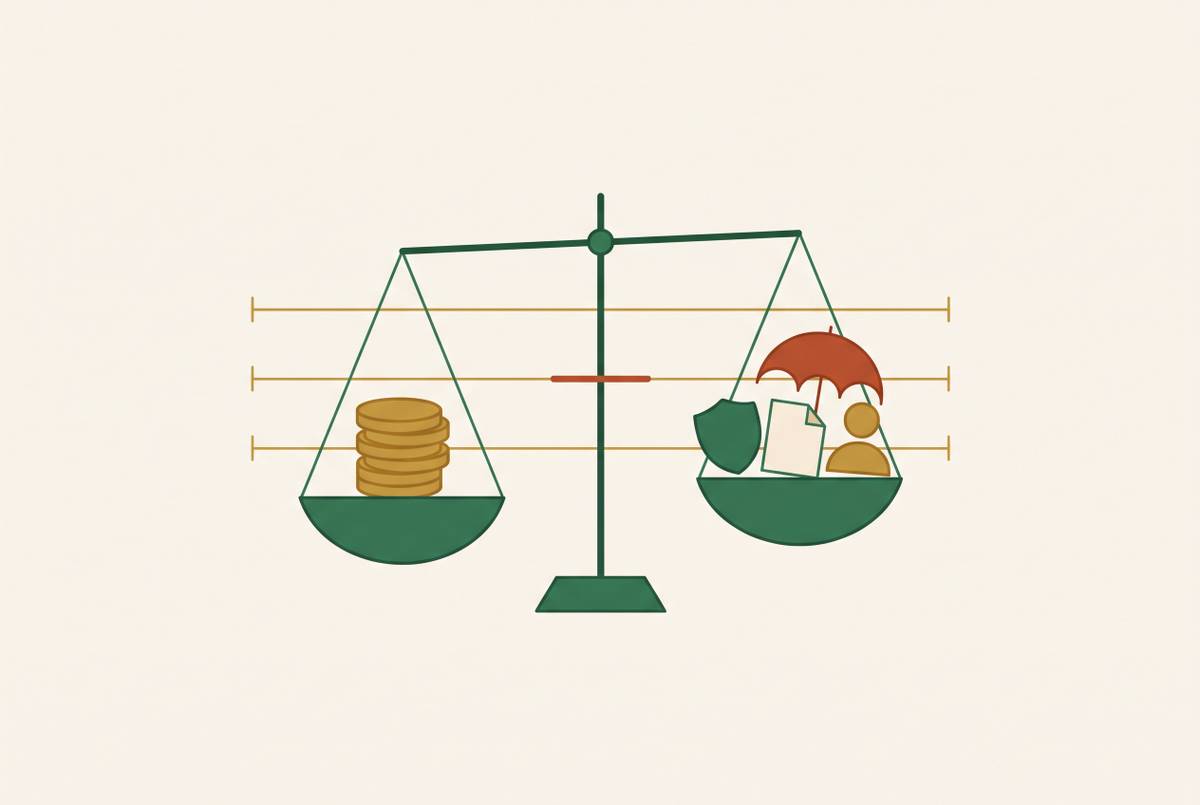
A bad open enrollment decision commits an employee to a year of premium payments, deductible exposure, missed tax savings, and possible coverage gaps that can add up to several thousand dollars. The cost also reaches the employer through claims patterns, renewal pricing, and compliance exposure, making enrollment support a financial responsibility.
Why open enrollment produces bad decisions even when employees try
Open enrollment compresses an uncertain year of healthcare needs into a decision made within days. Employees must compare unfamiliar terms, estimate future use of care, and weigh premiums against possible out-of-pocket expenses, often with no one checking their calculations. The decision demands more than attention alone. Even an employee who reads the materials carefully can struggle to distinguish a lower price from a lower total annual cost.
That structure encourages three shortcuts, namely renewing last year’s plan, choosing the lowest monthly premium, and buying the richest coverage “just in case.” Familiarity does not establish that a plan still fits, and a low premium says little about the cost of using care. A richer plan can offer reassurance while charging more than its additional protection could ever return.
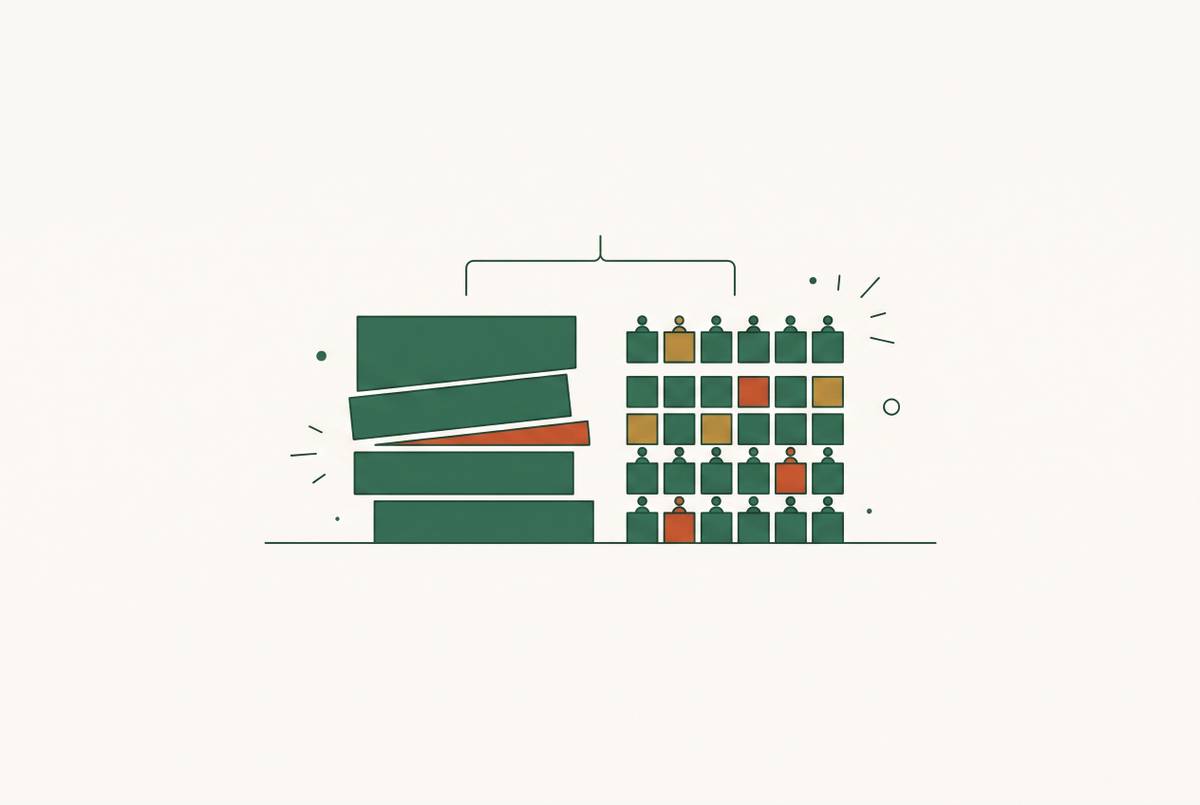
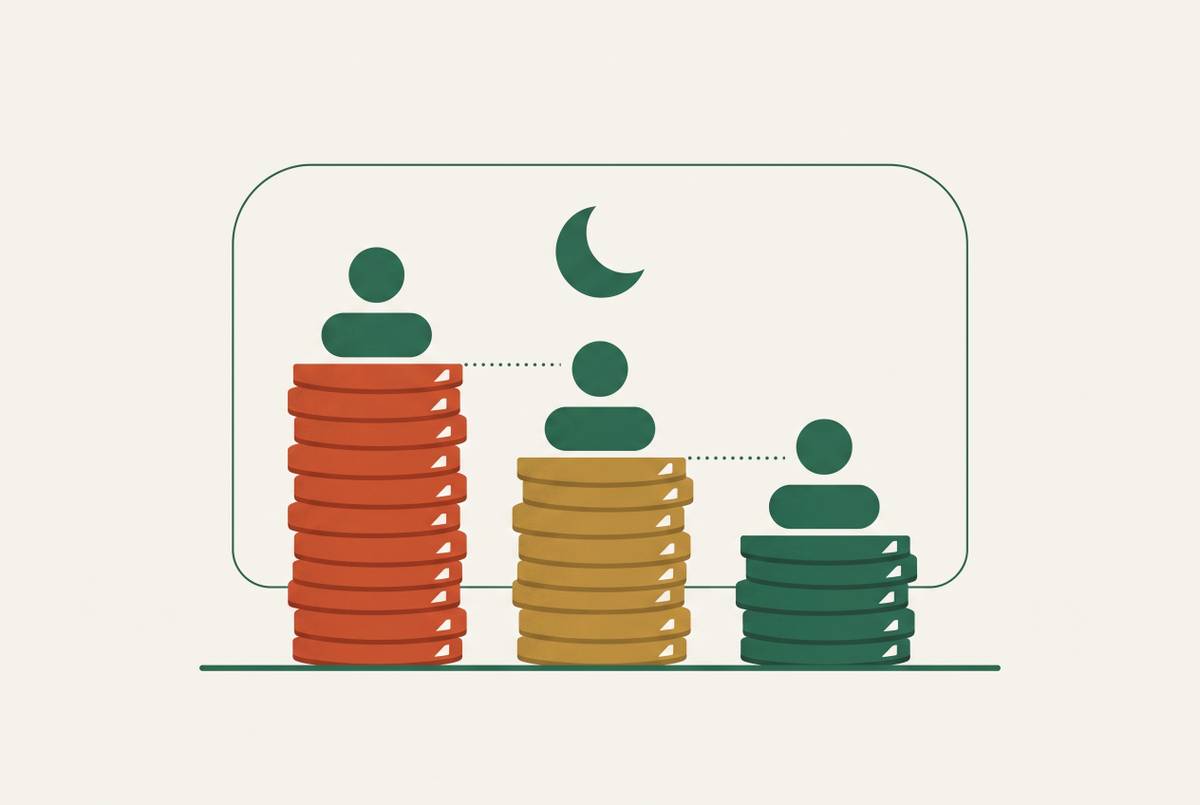
Economists Bhargava, Loewenstein, and Sydnor examined employees’ choices at a large U.S. firm and found that a majority selected dominated plans, meaning options that were worse at every possible level of spending. Excess spending equaled a quarter of the premiums those employees paid. The deductible comparison made the error especially clear. Employees choosing a lower deductible paid more in additional premiums than the deductible reduction could possibly save them, regardless of medical spending. The study also found that lower-income employees were more likely to make dominated choices, placing avoidable costs on people with less room to absorb them.
How a wrong plan choice compounds every month of the plan year
Consider two employees making different mistakes during enrollment. One buys a richer plan despite expecting little care, while the other chooses a high-deductible plan for its low premium without budgeting for significant healthcare needs. Both decisions initially look manageable on a payroll deduction. The difference emerges as the year unfolds, because premiums arrive regularly while the need for care does not.
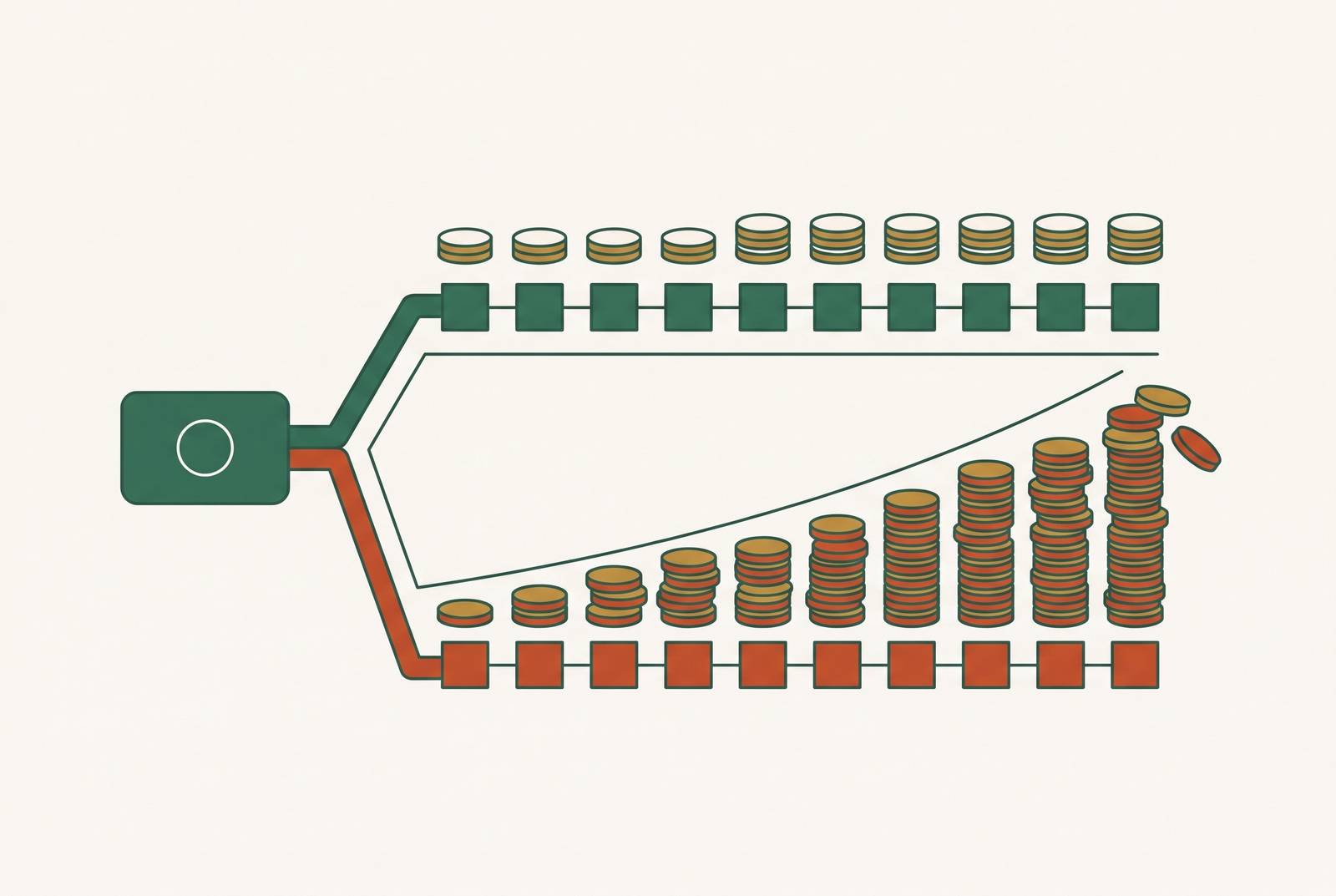
In January, the over-insured employee begins paying extra for a lower deductible that may never be useful. In February, the same extra premium comes out of another paycheck. By March, the employee has still used too little care for lower medical bills to make up for that extra spending. The payments are already gone and cannot be recovered mid-year. If that pattern continues through the remaining months, the employee finishes the year having prepaid for protection that delivered little financial benefit.
For the under-insured employee, the early premium savings can obscure the exposure ahead. When appointments or treatment begin, the employee must pay toward a deductible they had not planned for. More care adds to that pressure in the months that follow. Faced with bills that do not fit the household budget, the employee may defer or avoid necessary treatment, turning an enrollment calculation into an obstacle to receiving care.
Tax elections can widen the gap further. An otherwise HSA-eligible employee who does not choose qualifying high-deductible coverage generally loses contribution eligibility for the months without that coverage, with the annual limit prorated accordingly. Those missed months reduce the opportunity to pay eligible expenses with pre-tax dollars. An FSA election creates a separate mismatch when too much is set aside and left unused, or too little is elected to reimburse the expenses that arise.
By December, routine spending alone can produce several thousand dollars of difference between reasonable plan choices for a family. Catastrophic illness is not required for that outcome. Unlike a poor facility choice that affects one claim, the plan selection governs the financial terms of every covered claim throughout the year, including those of covered family members.
Why employees don't catch the error mid-year — and why inertia locks it in for the next one
Mid-year changes depend on qualifying life events, including marriage, birth, loss of other coverage, a change in employment status, or a move to a new coverage area. Those opportunities apply narrowly to the relevant circumstances. Finding out that another plan would have been cheaper does not itself qualify, so employees may know they made a mistake long before they can do anything about it.
Even that awareness requires a comparison many employees never make. Without their claims total in front of them, employees may overlook how an earlier choice determines their recurring premium bill. Familiarity then becomes the basis for another renewal. Voya Financial survey data found that an overwhelming majority of working Americans typically choose the same health plan year over year, while a significant share spend very little time reviewing benefits.
The Bhargava study found that most employees did not move into more financially efficient plans in the following year. Lower-income employees were even less likely to switch than average. Keeping the same plan can leave the mismatch in place for several plan years, with effects that reach beyond the employee’s household budget.
What employee mismatch costs the employer — in claims, renewals, and plan design ROI
When employees repeatedly select unsuitable plans, the employer receives a distorted picture of how its benefits strategy works. Healthy employees who over-insure group together in higher-premium plans, while employees who need more care but choose mainly to save on premiums end up in lower-cost plans. Selection changes the composition of each plan’s population. The resulting claims and utilization patterns are harder to interpret than those of a workforce whose choices fit its needs.
That ambiguity complicates the next design decision. Benefits consultants and HR must distinguish the effects of the plan itself from the effects of employees entering it for the wrong reasons. When an employee delays care because the deductible was unaffordable, for example, utilization does not simply express the employee’s underlying need. It also reflects the financial barrier created by the selection. So changing a premium contribution alone may leave the reasons behind that pattern untouched.
A thoughtful tiered benefits strategy can underperform for the same reason. Employers may invest in consulting and plan design to offer meaningful choices, yet employees do not necessarily reach the tier intended to fit their circumstances. Availability is not the same as effective use.
The financial effects rarely appear as one identifiable charge. They emerge in difficult utilization discussions, unexplained spending pressure, and renewal terms based on the claims patterns carriers actually observe. As those observed patterns feed into renewal pricing, this year’s enrollment errors can influence the choices and costs presented next year.
The cost environment that makes this year's wrong choice more expensive than last year's
Marsh’s 2026 employer survey projects that total health benefit cost per employee will rise in 2027 at the highest rate since 2003, following increases in each of the prior three years. The same survey found that costs would rise further without employer action. KFF’s 2026 Employer Health Benefits Survey found that workers’ family premium contributions jumped in a single year, increasing the stakes of an unexamined payroll deduction. Renewal is therefore a larger financial bet. To deal with rising costs, employers are changing plan designs, including raising deductibles and dropping coverage for certain high-cost drugs, so a familiar plan may no longer offer the same protection. A change in the network can also change how well the plan fits. For employees, auto-renewal can mean accepting new costs or coverage gaps without recognizing them, while employers that accept renewal terms without active design review can forgo savings available through carrier negotiation.
The compliance costs that attach to a poorly run enrollment — and that employees never see
An insurance carrier’s role in managing claims does not transfer the employer’s compliance obligations to the carrier. Enrollment requires more than accurate plan selections. Required disclosures, plan documents, filings, and notices remain separate responsibilities, and a rushed process can leave them incomplete even when coverage takes effect. These failures create exposure beyond the cost of any employee’s mismatched plan.
ERISA requires the distribution of summary plan descriptions and disclosure of material reductions in group health benefits through a summary of material modifications within the applicable window after adoption. Mid-plan-year changes affecting the Summary of Benefits and Coverage also require advance notice under the ACA. Documentation must keep pace with the benefits offered. Section 125 cafeteria plan documents must reflect changes in pre-tax election options, and a failure to maintain compliant documentation can lead to retroactive disqualification of pre-tax elections, creating tax liability for the employer and affected employees.
Coverage offers introduce a different category of risk. ACA Penalty A can apply when an employer fails to offer minimum essential coverage to a sufficient share of full-time employees and their dependents and a qualifying employee obtains a marketplace subsidy. The per-employee penalty is indexed annually. Separately, late Form 5500 filings can bring daily penalties from both the DOL and the IRS under the rules and limits that apply, so a delay of weeks can leave an employer facing five-figure penalties.
COBRA election notice failures can also generate substantial exposure, particularly when a missed notice affects a family, before legal fees enter the calculation. These are illustrations of compliance exposure. The employer is still legally responsible for duties such as plan disclosures, annual filings, and COBRA notices, even when it gets outside help.
What a well-run enrollment actually requires — and where the support gap lives
The lesson for employers is to begin preparation well before the enrollment window opens. Effective preparation requires time to review prior-year claims, assess renewal terms, consider plan changes, solicit competitive quotes, and develop communications. System testing also needs room in that schedule. Compressing those activities into the weeks immediately before enrollment limits negotiation and leaves less opportunity to resolve errors before employees must make decisions.
Prior-year claims and enrollment patterns provide the basis for that work. Frequent emergency room use for non-emergency conditions, for example, can show that employers need to change plan design or how they explain coverage, and that changing premium contributions alone may not be enough. Enrollment patterns can reveal a different problem. A large share of employees may have defaulted into the highest-cost option even though their utilization would support a lower tier. Reviewing the two together helps distinguish an expensive benefits offering from an offering that employees are using poorly.
A comparison chart can display premiums and deductibles, but it cannot calculate a particular household’s annual cost from its expected use of care. A guide can explain coverage without establishing whether a spouse’s plan or an HSA-paired HDHP would be the better financial choice. More information is not necessarily more useful support. Personalized guidance connects an employee’s health needs and financial circumstances to the options actually available.
Scenario-based support makes those connections concrete by showing how plan choices affect out-of-pocket costs for a routine pregnancy, a chronic condition, or a low-utilization individual. HSA eligibility and contribution strategy deserve specific attention because employees eligible for HSA-paired plans often do not fully understand the tax benefit or maximize contributions. For tech companies that have outgrown a PEO, or employers whose traditional broker has not renegotiated their plan in years, enrollment exposes the consequences of inadequate support. The relevant standard is whether preparation improves the available choices and guidance helps employees select among them. A completed election alone does not meet that standard.