The Build vs Bundle Divide Among Benefits Brokers With AI Concierge Claims
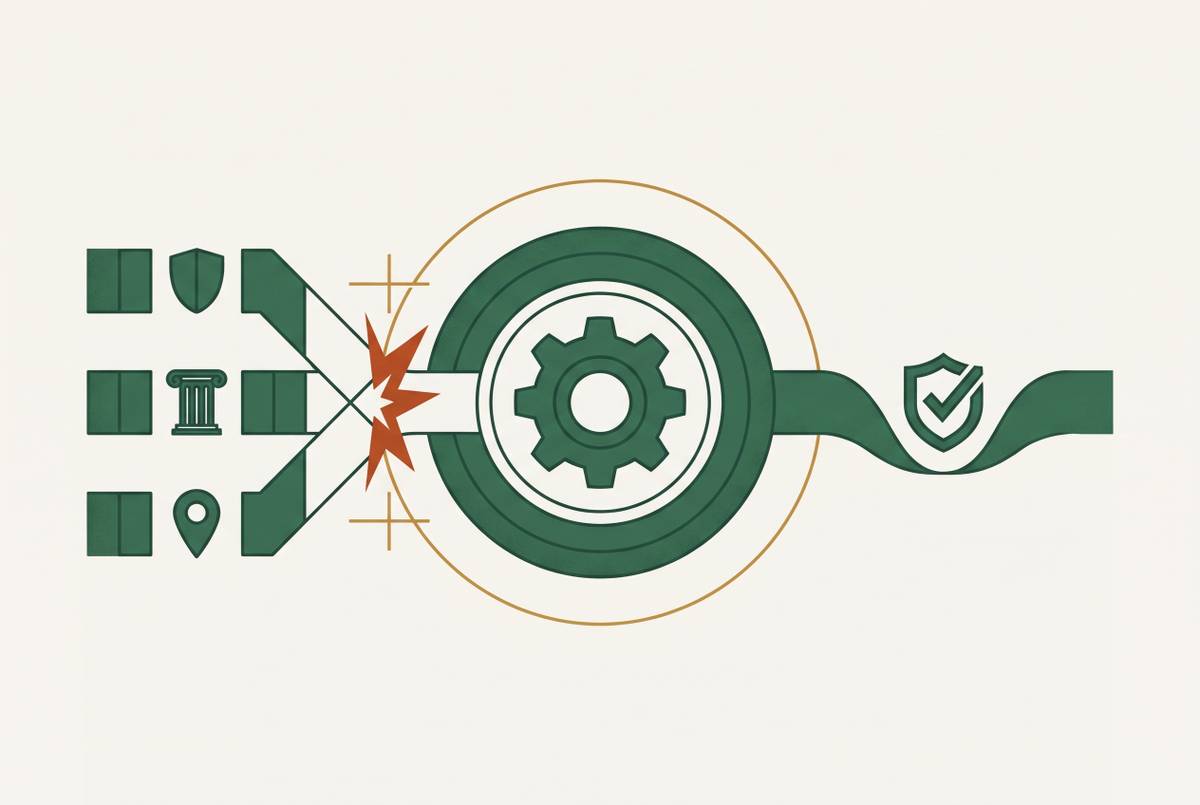
Buying an AI concierge also means choosing how locked in you are.
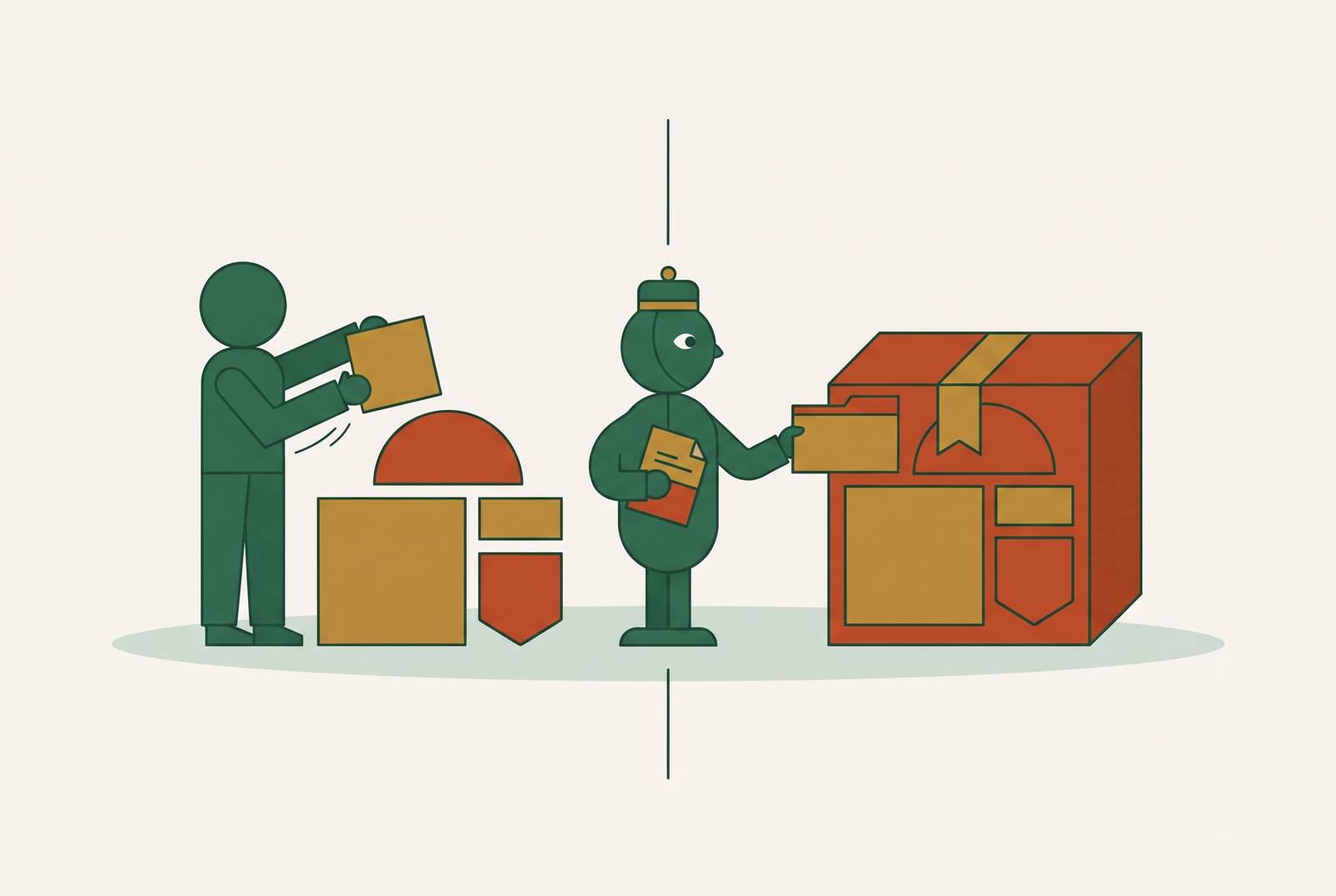
For tech companies seeking a 24/7 AI-powered employee benefits concierge, the decisive choice is whether employee support works across existing systems or depends on buying an inseparable stack. This build-versus-bundle divide determines which plans the assistant can explain and what happens when the employer changes vendors.
How "AI concierge" became a phrase every benefits broker now uses
Benefits administration is fragmented between platforms bundled into larger HRIS and HCM suites and dedicated platforms that connect to an existing HRIS through an API. Both approaches now claim an AI concierge. The phrase has moved from differentiator to table stakes, leaving buyers with similar promises attached to very different operating models. A shared label conceals the difference.
An assistant may help an employee understand a plan, help a broker build it, or help a carrier administer it. These tools serve different users, and having them does not show that employees can get answers about their plans outside HR’s working hours. When every broker claims an AI concierge, what actually separates them?
What a benefits AI concierge actually does, versus what vendors imply it does
For employees, a benefits concierge provides decision support, helping them understand the plans available to them and the choices those plans present. That is the help an engineering team needs when it has questions at midnight and wants answers without contacting HR. Being there to answer does not show how good the advice is. An assistant that can answer questions must not have the power to decide which coverage an employee should choose.
Employee Navigator’s AI Plan Builder turns insurance quotes into built plans in minutes and has been used to create a very large number of plans. That speeds the work of configuring benefits. It does not, by itself, show that an employee receives better plan-selection guidance or has access to an assistant at any hour.
UnitedHealth’s SEC Q2 2026 filing describes Optum Insight’s autonomous coding and digital prior authorization tools, while Oscar Health’s SEC filing describes Oswell’s handling of member questions. For employers, faster quoting and enrollment-error detection can cut administrative work, but carrier premium pricing still depends on the group’s claims history and how the carrier sets its prices.
The architectural split that actually determines how much the concierge serves employees
In the bundled model, a single vendor controls the HRIS, benefits administration, payroll, and AI layer. The assistant is native to that environment but inseparable from it. Switching one component means reopening the broader relationship, so the convenience of integration comes with a constraint on future choices.
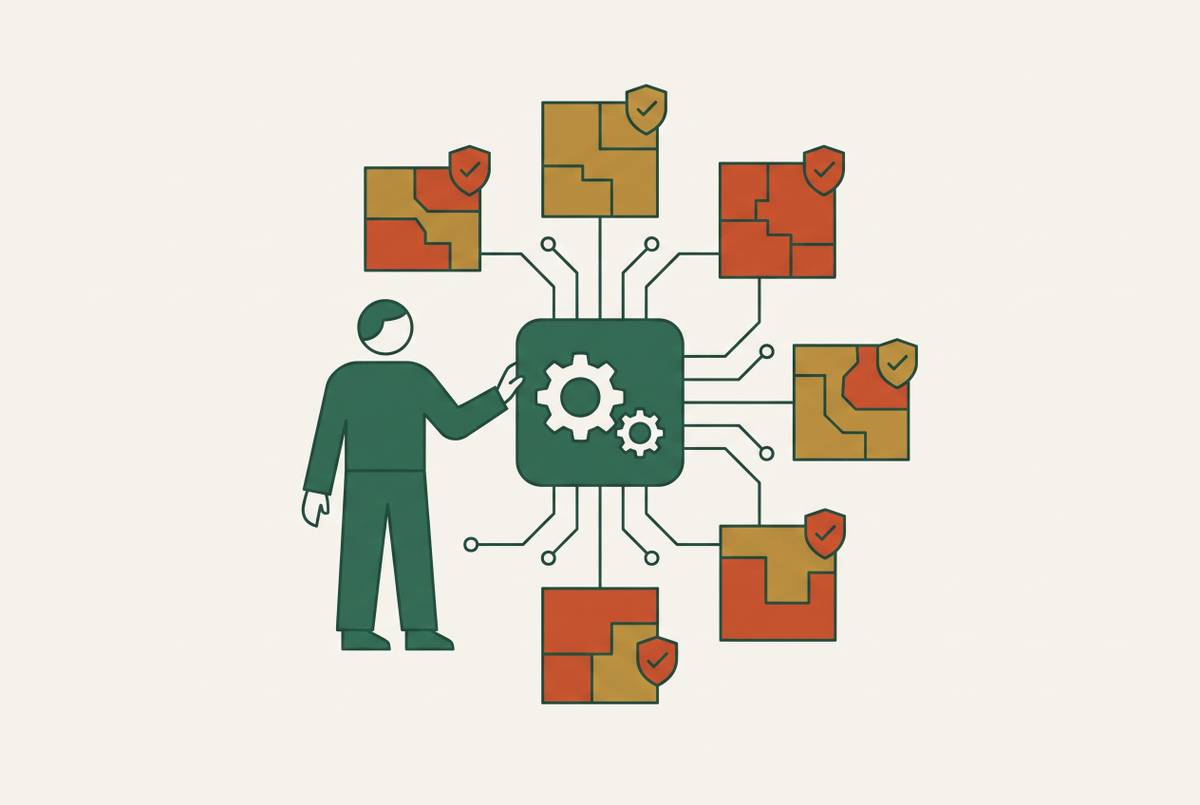
The build model separates those decisions. A dedicated benefits administration platform connects to the employer’s existing HRIS through an API, and the concierge works over that existing infrastructure. “Build” therefore describes assembly.
That distinction also exposes the broker’s incentives. Retaining clients and earning carrier commissions do not, on their own, reward a broker for optimizing the employer’s software stack. A bundle that costs more to leave can thus help a broker keep clients even when the employer would be better off with separate services.
Why bundled stacks create a structural tension between employee experience and vendor lock-in
A concierge inside a bundled PEO or HRIS platform works within that platform’s plans, workflows, and data model. Its answers reflect the available catalog. That can help employees navigate their current coverage, but it cannot establish that the catalog contains the best fit for their circumstances.
Plan design makes that boundary concrete. An employer may want a level-funded plan, an HDHP with a specific HSA seed contribution, or a health stipend that the bundled platform cannot accommodate. The concierge cannot surface an unavailable option. Better conversational support does not remove the underlying restriction, because the assistant inherits the limits of the platform it serves.
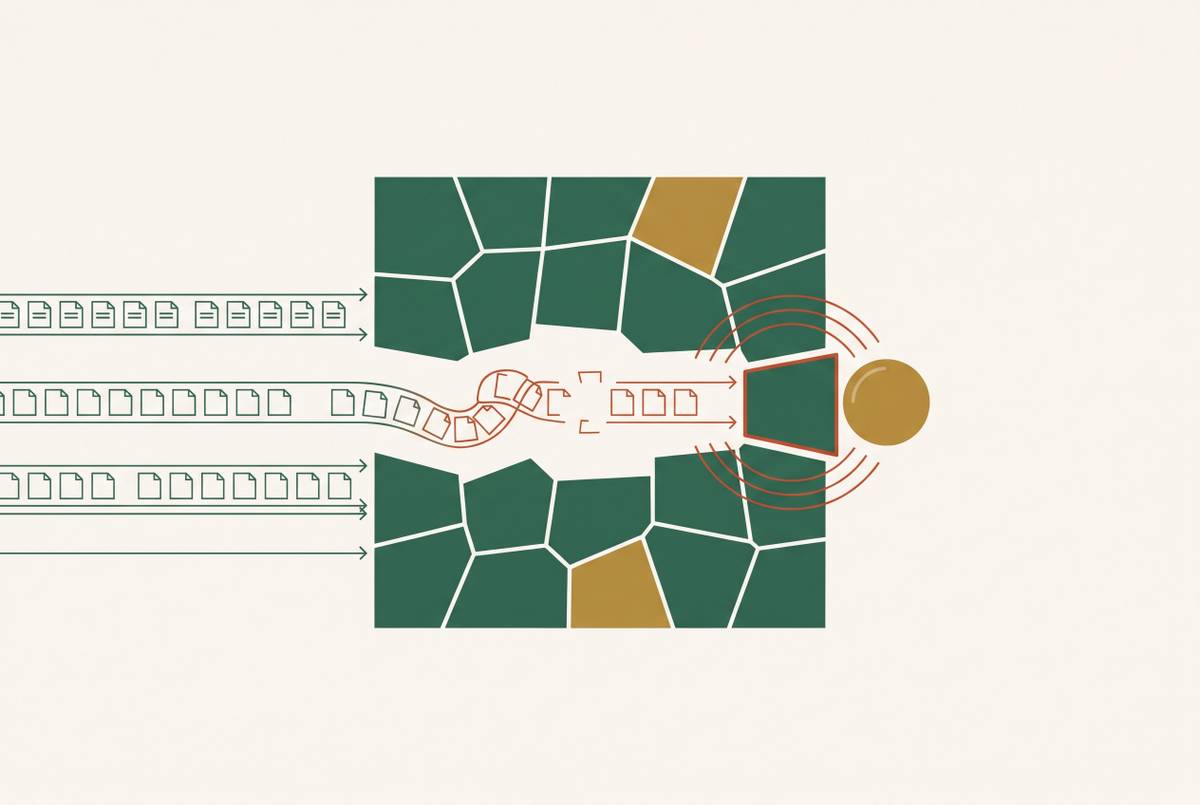
The bundle also ties the employer to its compliance layer. If its compliance layer updates slowly, the employer remains exposed to consequences such as penalties for a missed required filing or a single COBRA notice failure. Plaintiff attorneys are also using AI to surface ERISA noncompliance patterns at scale, making update speed a more consequential part of the service. The employer depends on a compliance layer it may be unable to replace independently.
When the bundled model is still the right answer, and when it stops being one
A bundle can still be the right choice. PEOs pool employees into large-group health plans, and a combined service can suit an employer that has little HR help in-house. The economic result depends on the company’s circumstances rather than a universal claim that premium savings outweigh fees. For an employer that needs the combined service, evaluating the fee against health-plan savings alone understates what it is buying.
The fit changes as headcount, HR capacity, and state footprint change together. There is no single departure threshold. A 60-person company with an HR hire and operations in two stable states presents a different case from a 60-person company adding states each quarter. The first may be better able to manage separate services, while the second still faces changes in the administrative work it must do.
Tax treatment can make the financial trade-off more visible. Under the PEO arrangement described here, the employer forfeits the FICA savings on employee health premiums paid pre-tax through a Section 125 plan. At scale, that becomes a growing cost of the arrangement. Series B investors also review benefits costs as part of headcount modeling, so a PEO fee well above market can become a red line in the people cost model.
What a PEO exit actually costs, and why the financial model is usually built wrong
A PEO exit is a legal, financial, and operational project. Comparing the current administration fee with a proposed replacement fee produces an incomplete budget. That comparison omits the cost of getting from one arrangement to the other.
A complete model has three cost layers. One-time costs include contract termination, data migration, and new carrier setup, while temporary overlap costs cover parallel operation of old and new systems. Costs to clean up problems include gaps in workers’ compensation coverage, spikes in the work of COBRA administration, and withholding reconciliation. These costs have different causes and timing. Combining them into a single replacement fee obscures both the transition budget and the basis for later savings.
Employees can also encounter changes that the administration-fee comparison misses. A mid-year withholding reset can restart Social Security taxes as if employees had changed employers, and some PEOs require new offer letters on departure. Both can hurt employees’ trust if no one explains them. January 1 is the clean date to leave, and the usual advice is to plan up to six months ahead.
What to build on the other side: compliance, plan design, and employee support as separable layers
The post-PEO stack for a mid-size tech company need not become another monolith. Its foundation is a payroll and HRIS system the company owns, connected through an API to dedicated benefits administration. A separate compliance layer updates across jurisdictions, while an employee concierge supports the benefits offered through that environment. Each layer has a defined job. The objective is to keep a change in one service from forcing a wholesale replacement.
An AI-native brokerage can fit this model without becoming the employer’s software platform. The service has a dedicated consultant, AI-powered plan analysis, help for employees around the clock, and compliance monitoring across many jurisdictions. It can work over the HRIS infrastructure the employer already has without making it replace tools or pay per-employee platform fees.
Plan design is the clearest immediate benefit of that separation. An employer controlling its benefits stack can pursue a level-funded plan, an HDHP with a chosen HSA contribution structure, or a health stipend independently of a PEO’s standard options. Employee support need not regress in the process. A concierge layered over an open stack can explain the plans and carriers the employer has negotiated, rather than remaining confined to one platform’s catalog. For a tech company, that links midnight access to the benefits it actually wants to offer.
How to evaluate an AI concierge claim before it is embedded in a contract
The buyer’s starting question should be where the AI sits and what it cannot see from there. That is more revealing than asking whether a vendor has a concierge. It connects the support promise to the systems, plans, and contracts needed to deliver it.
Does the concierge work across any HRIS, or only within the vendor’s platform? That question tests whether support is portable or captive. What plan designs can it explain, including level-funded plans, HDHPs with employer HSA contributions, and stipends?
How quickly does the compliance layer update when a jurisdiction changes a rule? The answer identifies whether the employer depends on a delay that can create penalty exposure. What happens to employee support and plan access if the employer switches payroll or HRIS systems? That tests continuity after a commercial change. A concierge’s present usefulness and its transferability are separate parts of the purchase.
Compensation deserves a parallel examination. An independent broker paid by carriers has different incentives from a captive broker, while a platform earning per-employee fees has an additional financial reason to retain the software relationship. No payment model alone proves poor service. It does, however, help explain whether a recommendation favors the employer’s preferred infrastructure or continued use of the vendor’s stack.
The best fit follows the operating need. A bundled service can suit an employer that still needs its administration handled together and accepts the plans on offer, while a layered model better suits a company that wants flexible plan design and support over infrastructure it already owns. For a 24/7 employee concierge, the final test is whether employees can get help with the employer’s actual benefits without making payroll or HRIS replacement a condition of access. Asking these questions before signing turns an AI feature review into an informed architectural choice.