Deploying an Always-On Benefits Layer That Resolves Engineering Team Questions Without an HR Ticket
AI-powered benefits concierge resolves employee questions instantly across time zones.
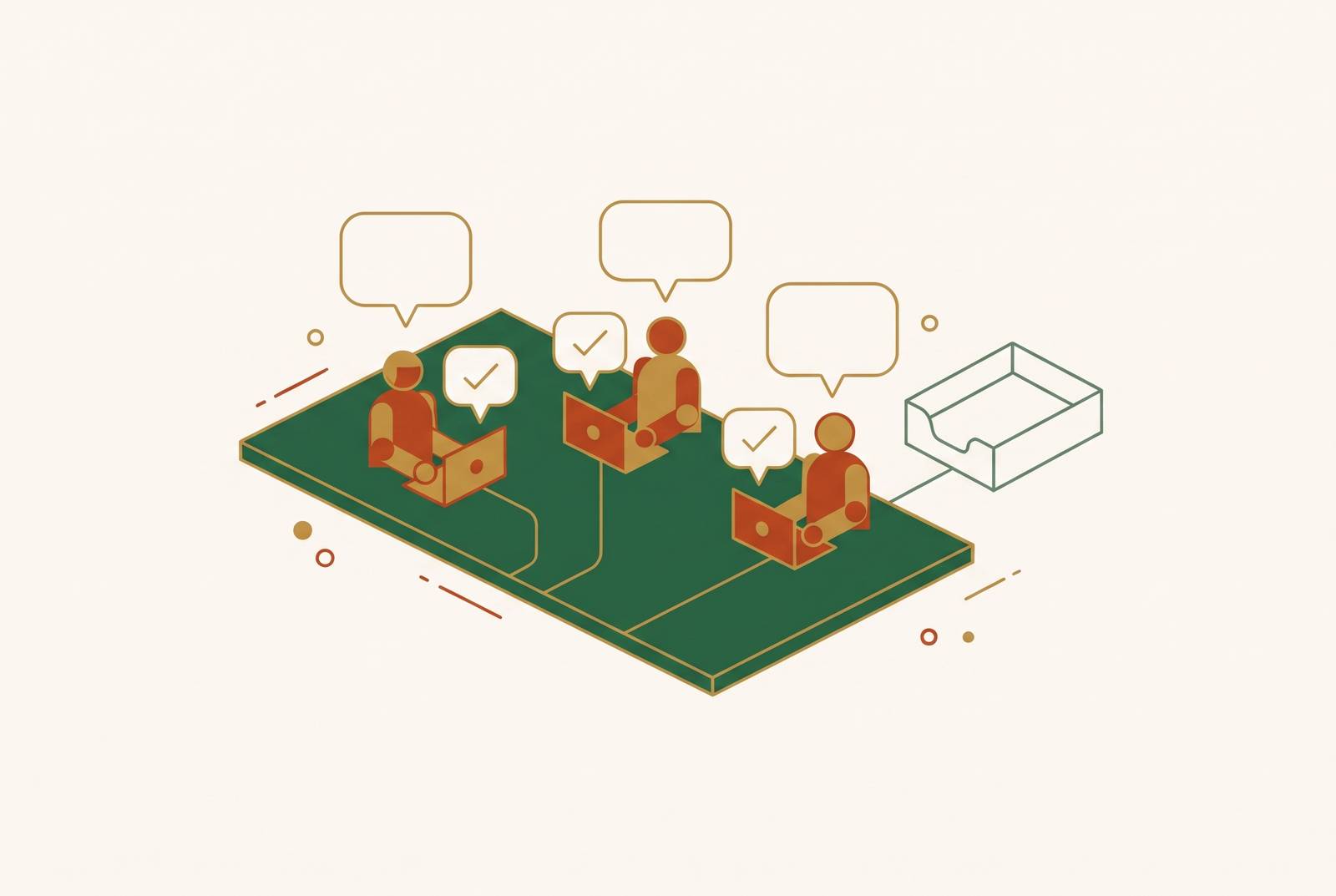
A 24/7 AI-powered employee benefits concierge for tech companies is an agentic support layer that retrieves plan rules and resolves employee questions without opening an HR ticket. For engineering teams, its value is immediate, policy-specific resolution across time zones, enrollment cycles, and state boundaries. Deploying it requires connected plan documents, benefits administration workflows, and compliance monitoring.
Why engineering teams create a disproportionate benefits support burden
At 9 p.m., an engineer in a different time zone asks about HSA contribution limits before a midnight enrollment deadline. The ticket sits until morning, past the decision it was supposed to support. The structural mismatch arises when a generalist queue that runs during business hours serves employees who need to make benefits decisions outside those hours.
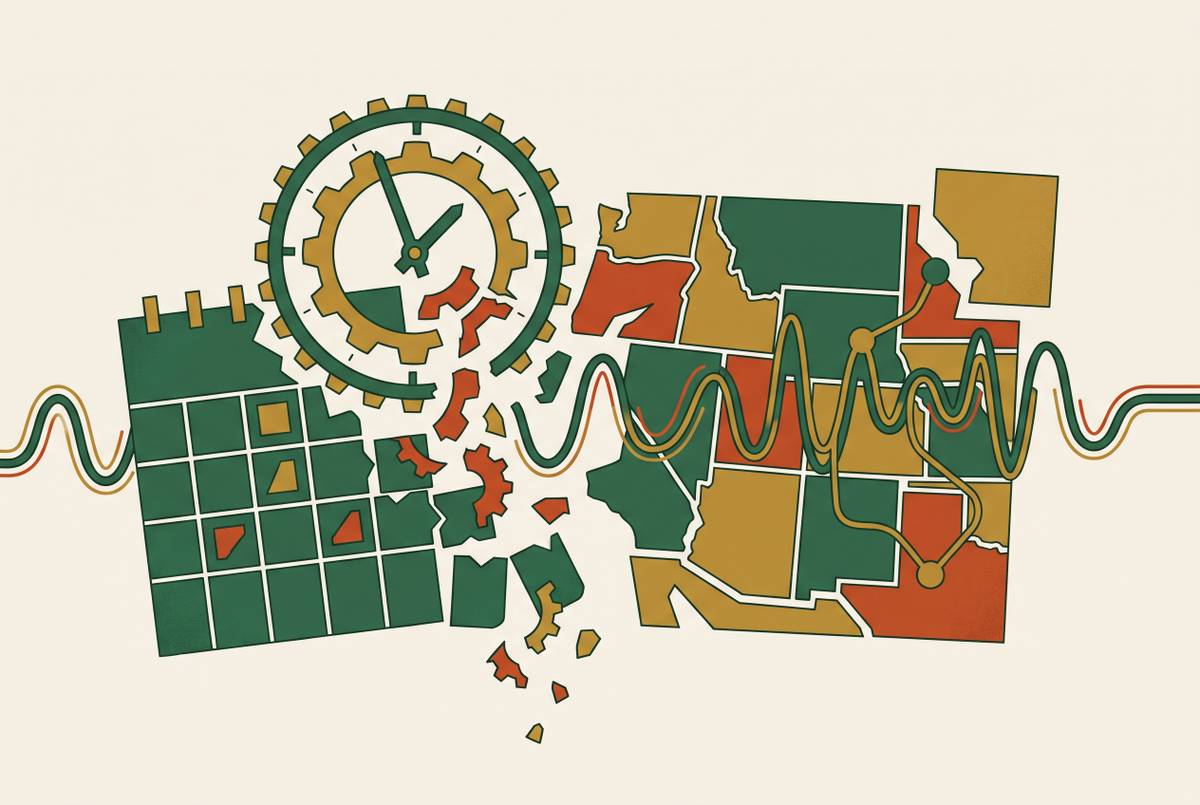
Three pressures make that mismatch especially pronounced in engineering. Remote-first organizations can span dozens of states, adding distinct benefit mandates, withholding rules, and leave requirements with each new location. Continuous onboarding and offboarding generate enrollment questions and coverage-continuation deadlines, while asynchronous work creates an expectation of answers whenever the question arises. A COBRA deadline question enters the same routing model as a vacation-day request, even though the consequences of waiting differ substantially.
What does a 24/7 AI-powered employee benefits concierge actually do?
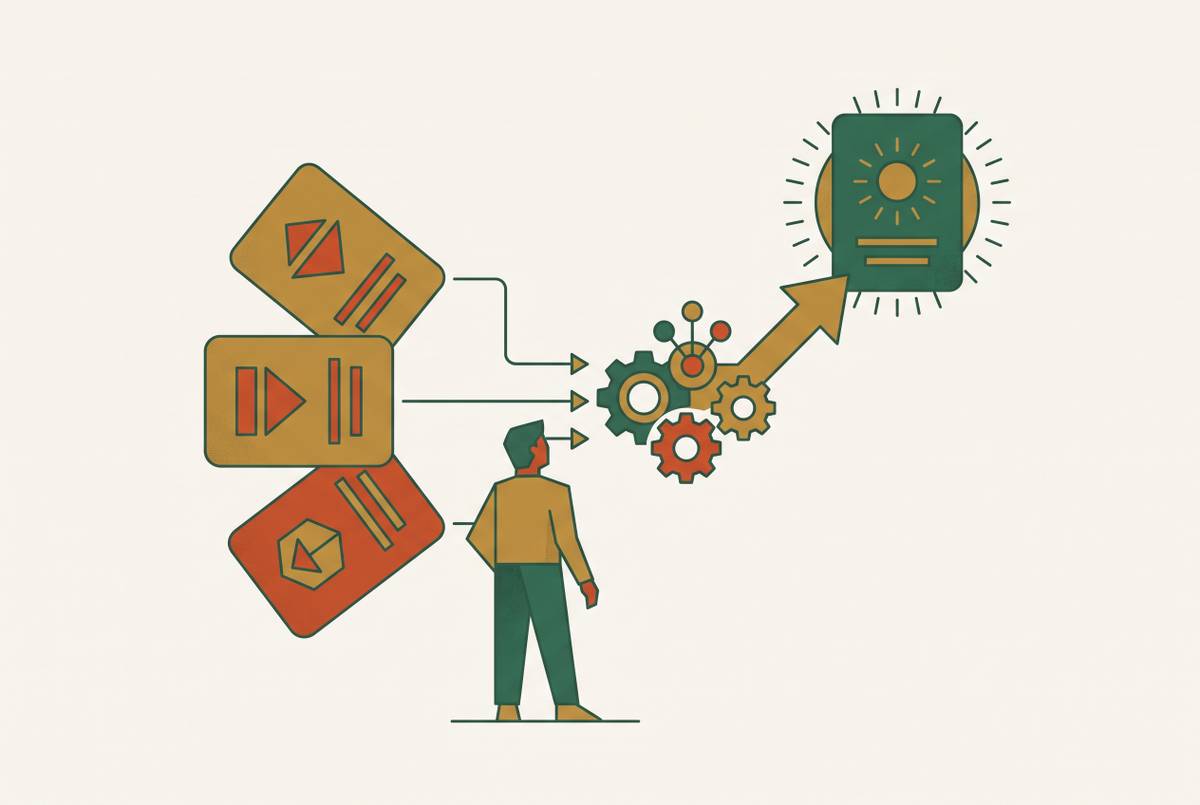
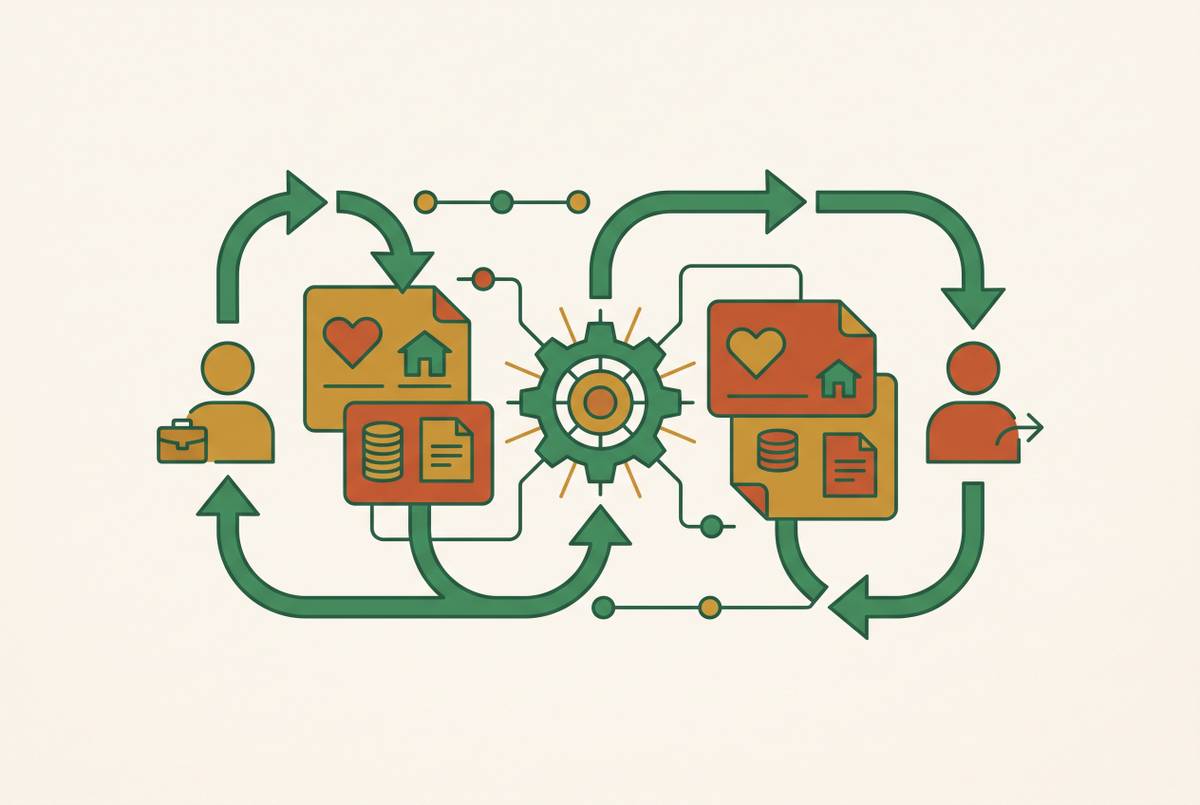
An always-on benefits layer combines agentic AI, a curated knowledge base, and direct integration with plan documents to resolve employee questions end-to-end. It sits above the company’s existing HRIS and benefits administration infrastructure. The distinction is integration, not a platform replacement. Its employee-facing role is to turn a question about a policy, deadline, or eligibility rule into an answer grounded in the applicable plan.
Two architectures can look similar while performing different jobs. An AI copilot retrieves information and suggests responses for a human agent, leaving resolution dependent on that person’s availability. Agentic AI retrieves the policy and delivers the answer autonomously. Where it has workflow access, it can also update enrollment records or trigger downstream actions without human involvement. For rule-based questions about COBRA status, HSA limits, enrollment windows, and FMLA eligibility, that architecture applies policy rather than merely preparing a response for someone else to send.
How autonomous resolution actually deflects volume before a ticket is created
The operational difference appears at the point of resolution. When an assistant can complete a policy lookup and answer the employee directly, human routing is no longer the default next step. Databricks deployed an AI-powered agent named R2DB that automatically deflected the majority of support tickets within its scope. The deployment supported a large global team without additional help desk headcount. Its relevance is the combination of autonomous resolution and an engineering-centered environment.
Broadcom reported autonomous resolution rates in the high eighties in IT support, with its assistant also rolling out to engineering and HR support. Microsoft deployed its Employee Self-Service Agent across a large workforce of employees and contingent workers and set a ticket-deflection target across employee service functions. These deployments illustrate autonomous support across broader employee service functions. Their connection to benefits is the underlying task. Status lookups, contribution-limit lookups, deadline questions, and eligibility checks all depend on retrieving rules and applying them to a defined request.
The specific benefits questions that engineering team workflows generate most often
Onboarding produces the first cluster of time-sensitive questions. Employees need to know when their enrollment window closes, what happens if they miss it, and which plans are available in their state. Engineers selecting an HDHP also ask about HSA eligibility, self-only and family contribution limits, and HDHP out-of-pocket maximums. Those parameters change by plan year. A relocated engineer adds a different question, namely whether the carrier network attached to an existing election serves the new location.
Offboarding shifts the focus from choosing coverage to preserving it. Departing employees need their COBRA election deadline, continuation premium, coverage duration, and any continuing employer contribution. General rights notices and qualifying-event election notices follow different statutory requirements, so a generic answer about “the COBRA window” is insufficient. The distinction has a direct compliance consequence. An answer about the employee’s election opportunity does not establish that the employer or administrator has met its notice obligation.
During open enrollment, employees compare an HDHP with another health plan based on the care they expect to use. GLP-1 coverage is newly prominent in 2026 enrollment questions, particularly the distinction between coverage for weight management and coverage for diabetes only. Employees also need the applicable ACA out-of-pocket maximums for self-only and family coverage. Equity events add questions more specific to engineering workforces. Option exercises may change how compensation-related eligibility or contributions are calculated, while leave tied to vesting cliffs brings benefits rules into decisions beyond which plan to choose.
Why getting those answers wrong — or late — carries regulatory penalties
COBRA election notice failures expose employers to per-employee, per-day penalties, making repeated engineering offboarding a recurring compliance trigger. An employee asking about continuation coverage may be raising a question attached to an active statutory deadline. Answering late is therefore not simply inconvenient. An always-on layer becomes a compliance control when policy retrieval connects to the workflow responsible for the notice.
Other failures have similarly concrete penalty structures. ERISA document-request failures can accrue daily penalties when requested plan documents are not supplied within the statutory window. Errors in ACA Form 1095-C statements can lead to per-form penalties, while breaking statutory transparency rules can lead to penalties for each affected individual each day. Willful Summary of Benefits and Coverage failures carry a per-failure penalty, with a separate IRS excise tax assessed per day per individual for continued noncompliance.
The underlying obligation applies regardless of whether a support error produces an enforcement action. Penalties depend on the failure involved. The DOL’s Employee Benefits Security Administration named mental health parity as one of its enforcement priorities for 2026. Automated answers support compliance only to the extent that the required documents, notices, and downstream actions also reach completion.
How multi-state hiring multiplies compliance exposure for engineering teams specifically
The multi-state footprint described earlier creates more than variation in employee questions. Each new hiring jurisdiction adds payroll and benefits obligations on top of the federal baseline. A remote engineering hire can require a state unemployment insurance account, potentially a city or county withholding account, and review of state-specific benefits mandates. Employee support depends on where the employee is based. An answer about leave or coverage cannot rely on the federal rule alone when state requirements also apply.
That dependence on location is especially clear when a company leaves a PEO. The company must re-establish state unemployment, or SUTA, IDs under its own tax ID because its previous arrangement is no longer enough. Paid family leave, state disability insurance, and the minimum coverage levels required by law also vary by jurisdiction. These separate obligations mean that a benefits answer and a payroll registration may concern the same employee while requiring different administrative work.
In 2026, there are new coverage mandates, updated IRS limits, and changes in what is expected for mental health parity. EBSA’s priorities also include cybersecurity, surprise billing, protecting benefit distributions, retirement asset management, and criminal abuse of contributory benefit plans. Those priorities cover more than the questions an employee concierge answers. For companies hiring in many states at once, automated monitoring keeps track of rules across jurisdictions in a way that is hard to keep up by hand. The support layer must account for those differences in its answers, since the same policy does not apply everywhere.
Why PEO-bundled benefits support fails this model as companies scale
A PEO can give an early-stage company access to benefits and help with compliance without the company having to set up each service on its own. Shared, generalist, ticket-based support is a poor fit for employees who need answers right away across time zones. Pooled plans also limit choices about HDHP-plus-HSA design, tech-sector benchmarking, and GLP-1 coverage. The issue is maturity and fit, not an assumption that the original decision was wrong.
Bundled charges that become difficult to benchmark and service that feels too standardized for a multi-state workforce are signals of that shift. Moving to independently selected support and plan design requires disentangling the bundle. That transition is operationally substantial, even when justified. Payroll files must move, benefits cannot lapse, workers’ compensation coverage must remain continuous, and SUTA IDs must be re-established. An always-on layer replaces the employee support function after exit, but it does not replace the work of transferring those other responsibilities.
A well-structured six-month project can address much of that transition, though complexity varies with company size and state footprint. January 1 is the cleanest exit date when it aligns with benefits renewal. Planning begins six months earlier. That timing avoids the breaks in coverage and tax wage base restarts that can come with leaving mid-year.
What the post-PEO benefits infrastructure should look like for an engineering-heavy company
For a company making that transition, the task is to rebundle specialized services rather than rebuild benefits administration internally. A dedicated benefits consultant should benchmark plan design at every renewal, using workforce data and carrier pricing in a structured annual negotiation. The employee-facing core should be an agentic support layer available around the clock through a mobile app. Automated compliance monitoring and integration with the existing payroll and HRIS systems complete the architecture.
Each component has a distinct responsibility within that arrangement. The consultant handles market comparison and plan design, while the agentic layer handles employee questions and accessible workflows. Compliance monitoring tracks changes in the rules that apply at the federal, state, and local levels. Integration connects these services to existing administration. Keeping those roles separate makes clear how much of the benefits work falls outside the employee-facing assistant, while giving employees one place to go for answers.
Independent plan design also creates choices previously constrained by the pool. HDHP-plus-HSA designs are common in tech benefits, and the 2026 HSA limits and HDHP parameters inform how employers balance premium costs with employee purchasing power. The ACA affordability threshold changes by plan year, affecting contribution decisions. GLP-1 coverage, mental health parity, and out-of-pocket maximums likewise require deliberate design. A dedicated AI-native brokerage can combine this work with autonomous support and receive carrier compensation as a traditional broker does, at no direct cost to the employer, compared with a PEO charge of 2–6% of payroll.
How to evaluate whether your current setup is leaving engineering teams underserved
A team should first check whether employees get complete answers before HR has to step in. A team assessing its current setup should examine whether open enrollment requires all-hands ticket triage and whether employees in other time zones wait until business hours for answers needed the night before. Those are direct signs of a resolution gap. The same review should check whether each offboarding starts the required COBRA notice workflow automatically or someone has to follow up to get the notice sent. The team should test how deadlines are handled as well as how fast answers arrive.
The assessment should then turn to jurisdictional readiness and plan quality. For each state entered during the last 12 months, the company should verify the required SUTA ID and local withholding account under its own tax ID as applicable to its operating arrangement. It should also establish whether plan design was benchmarked against peer companies during the last renewal cycle. An unchanged plan does not answer that question. The relevant evidence is whether the comparison occurred and informed the renewal decision.
For a company still using a PEO, a structured exit assessment turns these signals into financial and operational evidence. The assessment is low-cost and low-commitment, and the decision to stay or leave follows from its findings. Begin by collecting the current invoice broken down by employee, reviewing the contract’s auto-renewal windows and termination penalties, and running a market comparison on benefits.